If you keep promising yourself “just five more minutes” and then lose an hour to scrolling, you are not lazy. You are stuck in a bedroom setup that makes your phone too easy to grab. Learning how to stop phone addiction at night starts with one truth: willpower is weakest when your brain is tired.
The fix is not a dramatic digital detox. I have found that the best results come from adding friction. You make the phone harder to reach, less exciting to use, and easier to replace with something calmer.
Why Nighttime Phone Addiction Feels So Hard To Break
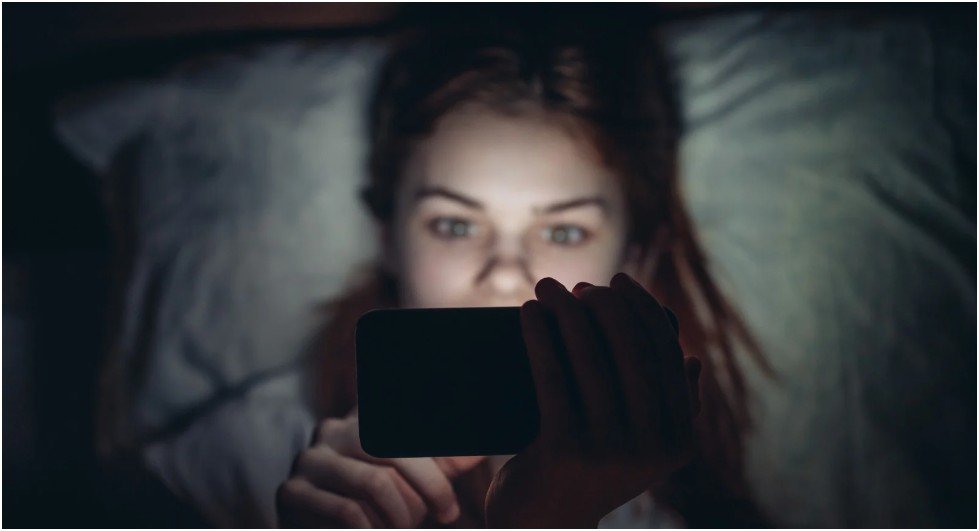
Night scrolling feels harmless because it looks passive. You are lying down, resting, and “only checking a few things.” The problem is that your brain does not treat it like rest.
Late-night phone use can delay sleep because it mixes light, stimulation, alerts, emotion, and endless novelty. The CDC recommends turning off electronic devices at least 30 minutes before bedtime as part of better sleep habits. That advice matters because sleep affects how the brain functions, restores energy, and supports daily performance.
There is also newer adult sleep research behind this. A 2025 study found that daily screen use before bed was linked with a 33% higher prevalence of poor sleep quality compared with no screen use. That does not mean one text ruins your sleep. It means nightly scrolling can quietly become a sleep pattern.
So when people ask how to stop phone addiction at night, my answer is simple: stop treating your bed like a second home screen.
Start With The One Fix That Works Fastest

The fastest way to stop scrolling at night is to remove the phone from arm’s reach. Not face down. Not across the bed. Not under the pillow. Completely outside the bedroom.
Charge Your Phone Outside The Bedroom
Plug your charger into the kitchen, hallway, or living room. I prefer placing it somewhere boring, not near a couch or TV. The goal is to make checking your phone annoying enough that your sleepy brain gives up.
This works because it breaks the automatic loop. Usually, the pattern is simple: wake up, reach, unlock, scroll. Distance interrupts that pattern before it starts.
If another room feels too hard at first, start with a dresser across the bedroom. After three nights, move it outside. Progress beats perfection.
Replace Your Phone Alarm
A physical alarm clock is boring, cheap, and useful. That is exactly why it works. Many people keep their phone beside the bed because they “need the alarm,” but that excuse gives every app a free pass into your sleep space.
A basic alarm clock removes the biggest reason to sleep next to your phone. Once I stopped using my phone as an alarm, I stopped checking messages before my feet hit the floor. That one change made mornings calmer too.
Make Your Phone Boring Before Bed

When you are learning how to stop phone addiction at night, you need your phone to lose its shine before bedtime. The less rewarding it looks, the less your brain wants it.
Turn On Grayscale Mode
Color is part of the hook. App icons, notification badges, videos, and shopping pages are designed to feel visually rewarding. Grayscale makes the screen dull.
On most iPhones and Android phones, you can set grayscale through accessibility or digital wellbeing settings. This will not magically fix every habit, but it reduces the visual pull. I see it as a “speed bump” for the brain.
Use Do Not Disturb And Bedtime Settings
A quiet phone is easier to ignore. Schedule Do Not Disturb at least one hour before bed. Allow calls only from emergency contacts or favorites.
Android’s Digital Wellbeing tools include Bedtime mode, app timers, Focus mode, grayscale, and Do Not Disturb scheduling. Google says Bedtime mode can fade the screen to grayscale and silence notifications at night.
On iPhone, Apple’s Screen Time tools allow scheduled Downtime and app limits. Apple also notes that Screen Time limits can be ignored by default unless blocking is set up properly, so check the settings instead of assuming limits will hold.
Lock The Apps That Pull You Back In
Most nighttime phone addiction is not really “phone addiction.” It is app addiction. Your weather app is not the problem. Your endless scroll app probably is.
Use Built-In App Limits
Set social media, short video, games, shopping, and news apps to lock before bedtime. A good starting time is 9:00 p.m. or two hours before your usual sleep time.
The trick is to avoid soft limits. If your phone lets you tap “ignore limit,” you may tap it every night. Use stricter blocking where possible, or ask someone you trust to set the passcode for app limits.
This step helps because decisions become automatic. You are not debating TikTok at 11:47 p.m. The app is already closed.
Remove The Apps You Only Use At Night
This is the part people avoid, but it works. Delete the apps that only damage your sleep. You can still access some platforms on a computer during the day.
If deleting feels extreme, log out every night. Remove saved passwords. Move apps off your home screen. Add enough friction that opening them feels like a task, not a reflex.
A study on restricting bedtime mobile phone use found that limiting phone use before bed for four weeks improved sleep latency, sleep duration, sleep quality, and daytime working memory. That supports the idea that nighttime boundaries do not need to be permanent to be powerful.
Build A Bedtime Routine Your Brain Actually Wants

You cannot remove a habit and leave an empty space. Your hands will look for something to do. Your brain will look for comfort. Give both a better option.
Keep A Screen-Free Replacement Nearby
Place a physical book, notebook, puzzle book, or Kindle Paperwhite near your bed. I like a notebook because it handles the two biggest excuses for picking up my phone: “I need to remember something” and “I need to calm my mind.”
Write tomorrow’s top three tasks. Write one worry. Write one thing that can wait. That tiny routine gives your brain closure.
Use The 30-Minute Reset
For the final 30 minutes, keep the routine simple. Dim the lights, stretch for five minutes, wash your face, prepare clothes for tomorrow, and read something low-stakes.
Do not choose a thriller, heated news topic, or work email. Your replacement should calm you, not create a new obsession.
This is where how to stop phone addiction at night becomes easier. You are not just saying no to the phone. You are saying yes to a routine that feels better.
My Friction Ladder For A Realistic First Week
Here is the realistic version I would use for seven nights.
Night one: charge the phone across the room. Night two: turn on grayscale after 8:30 p.m. Night three: schedule Do Not Disturb. Night four: buy or set up a physical alarm clock. Night five: move the charger outside the bedroom. Night six: lock social apps before bed. Night seven: delete the worst nighttime app for one week.
This ladder works because it avoids the all-or-nothing trap. You do not need a perfect digital detox. You need one more barrier than your craving can easily climb.
If you relapse, do not restart from zero. Check which barrier failed. Was the phone too close? Were app limits too weak? Was there no replacement activity? Fix the weak point and continue.
FAQs
1. Why am I addicted to my phone at night?
Nighttime phone use feels rewarding because it offers comfort, novelty, and distraction when your brain is tired and less disciplined.
2. How long before bed should I stop using my phone?
Start with 30 minutes before bed, since the CDC recommends turning off electronics at least 30 minutes before bedtime.
3. Is grayscale good for phone addiction at night?
Yes, grayscale can help because it makes the screen less visually exciting, especially when combined with app limits and phone distance.
4. What is the best way to stop scrolling in bed?
The best way is to charge your phone outside the bedroom and use a physical alarm clock so scrolling is no longer convenient.
The Phone Can Sleep In The Other Room
You do not need to hate your phone to control it. You just need to stop giving it the best spot in your bedroom.
The most practical answer to how to stop phone addiction at night is to design your evening so the phone becomes harder, duller, and less useful after bedtime. Move the charger. Use a real alarm clock. Turn on grayscale. Lock the trigger apps. Keep a book or notebook nearby.
Tonight, start with the one move that changes everything: charge your phone outside the bedroom. Let your phone be dramatic in the kitchen while you sleep like someone with boundaries.