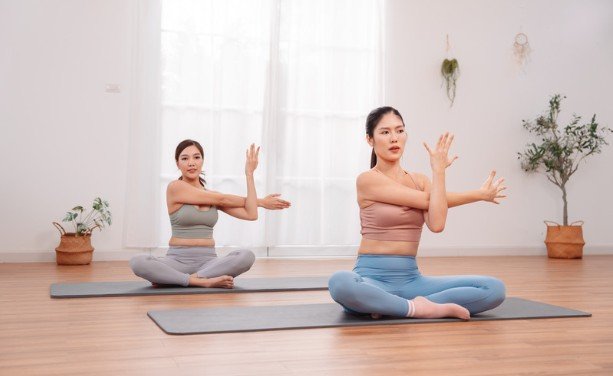
I once assumed flexibility depended on age, natural ability, or hours of difficult exercise. What changed my mind was learning that small, repeated movements can make everyday actions feel easier.
How to Improve Flexibility with Daily Stretching starts with a realistic routine rather than an extreme challenge. Ten controlled minutes can gradually reduce stiffness, improve movement, and make workouts and daily tasks more comfortable.
Why Daily Stretching Supports Better Movement
Flexibility is the ability of muscles to lengthen comfortably, while mobility is the ability to control movement through a joint’s range. Both matter when bending, reaching, climbing stairs, exercising, or sitting for long periods.
An occasional session may provide temporary relief, but regular practice gives the body repeated opportunities to adapt. Consistency matters more than forcing a deep position. Gentle tension is useful; sharp pain is not.
What to Know Before Stretching
Static stretches usually feel better when the body is warm. Begin with three to five minutes of walking, marching in place, or relaxed arm circles. Move slowly, breathe normally, and never bounce.
Hold most positions for 20 to 30 seconds and repeat both sides when needed. Use a wall, chair, towel, or strap for support. Anyone recovering from an injury or experiencing unexplained pain should seek professional guidance first.
A 10-Minute Full-Body Stretching Routine

Neck and Shoulder Stretch
Sit or stand tall. Bring one ear gently toward the same-side shoulder without lifting the shoulder. Hold, return to the center, and switch sides.
Doorway Chest Stretch
Place one forearm on a doorway with the elbow near shoulder height. Step forward until a mild stretch is felt across the chest. Avoid arching the lower back.
Cat-Cow Movement
Start on your hands and knees. Inhale while gently arching the spine and opening the chest. Exhale while rounding the back. Complete five to eight slow repetitions.
Child’s Pose
Move the hips toward the heels while reaching the arms forward. Rest the forehead on a cushion if needed, and widen the knees slightly for comfort. This gentle position can become part of a calming evening routine designed to reduce screentime before bed.
Low-Lunge Hip-Flexor Stretch
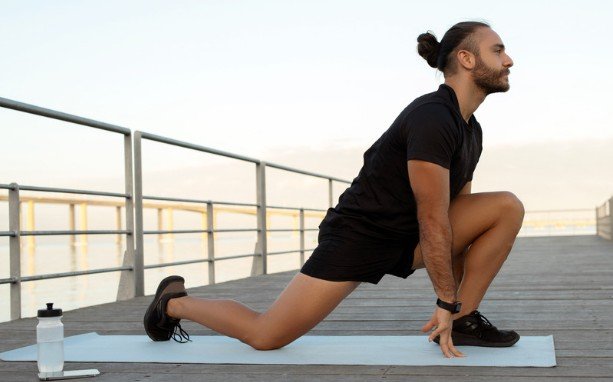
From a kneeling position, step one foot forward. Keep the torso upright and shift the hips forward until the opposite hip stretches. Place a towel beneath the back knee.
Figure-Four Glute Stretch
Lie on your back with bent knees. Cross one ankle over the opposite thigh and draw the supporting leg toward the chest. Use a seated version when floor movement is difficult.
Seated Hamstring Stretch
Sit near the edge of a sturdy chair. Extend one leg with the heel down and toes raised. Keep the back long and hinge forward from the hips.
Standing Quadriceps Stretch
Use a wall or chair for balance. Bend one knee and bring the heel toward the body, holding the ankle or pant leg. Avoid forceful pulling.
Wall Calf Stretch
Place both hands on a wall and step one foot back. Keep the rear heel grounded and lean forward. Repeat with the rear knee slightly bent.
Supported Deep Squat
Hold a countertop or sturdy chair. Lower into a comfortable squat while keeping the heels grounded when possible. Stop if the knees, hips, or back hurt.
A Simple Four-Week Progression
During week one, learn the positions and use 15-to-20-second holds. In week two, increase most holds to 25 or 30 seconds. During week three, repeat stretches that target your tightest areas. In week four, add a second round or try a slightly deeper variation without losing control.
Sleep, stress, activity, temperature, and fatigue can affect range of motion. Focus on the overall trend rather than judging one session.
How to Build a Lasting Habit
Connect stretching to something already in your schedule. Practice after a walk, when finishing work, before an evening shower, or during a television break. Keeping a mat or towel visible can serve as a reminder.
Measure progress through useful changes. Notice whether reaching, turning, squatting, or bending feels smoother. Practical improvements matter more than achieving an advanced pose.
When to Get Professional Advice
Persistent pain, numbness, swelling, sudden loss of movement, or symptoms following an injury should not be managed through stretching alone. A physician or physical therapist can identify the cause and recommend suitable movements. Guidance may also help when one side is considerably tighter or a joint feels unstable.
Frequently Asked Questions
1. Can How to Improve Flexibility with Daily Stretching work for beginners?
Yes. Beginners can use short holds, supported positions, and a comfortable range before progressing.
2. How long should a daily routine take?
About 10 minutes is enough for a focused full-body session. Even five consistent minutes can be useful.
3. Is morning or evening stretching better?
Both can work. Morning movement may ease stiffness, while evening sessions may feel easier because the body is already warm.
4. Should an effective stretch hurt?
No. Aim for mild tension rather than sharp, burning, or increasing pain.
A More Flexible Finish
I have found that flexibility improves most reliably when the routine is manageable enough to repeat. Ten calm minutes can be more valuable than an intense session that is quickly abandoned.
I would prioritize steady breathing, safe technique, and small improvements in daily movement. With patience and consistency, the body can become less restricted, more mobile, and better prepared for the activities that matter.
Leave a Reply