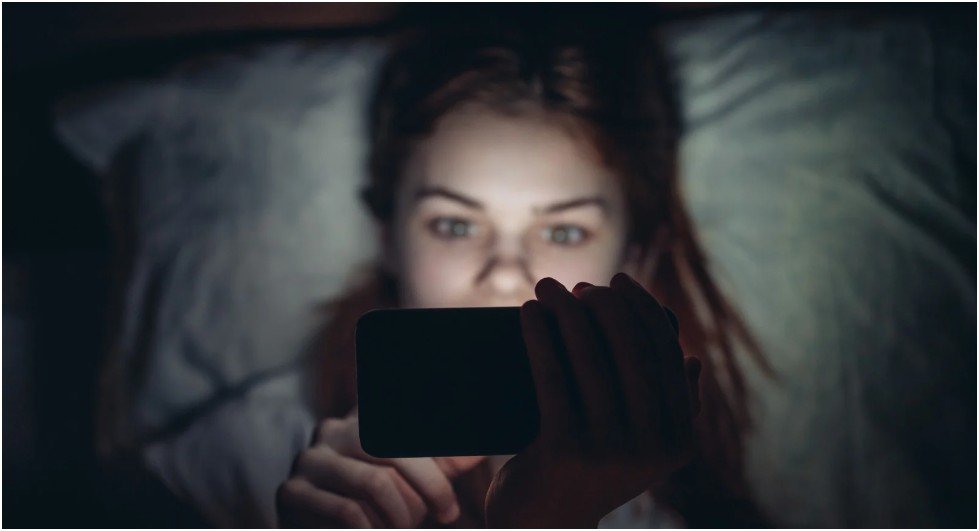

I used to treat late-night scrolling as harmless downtime. One message or short video often became another hour awake. Learning How to Reduce Screen Time Before Bed showed me that the problem was not only blue light. Notifications pulled me back, stimulating content kept my mind alert, and my phone replaced time that should have gone to sleep.
The solution is not an extreme digital detox. A realistic evening system works better. Start with a 30- to 60-minute screen-free period and make calming alternatives easier to choose than another app.
Why Screens Can Disrupt Sleep
Electronic devices affect sleep in several ways. Light from phones, tablets, televisions, and laptops may delay the body’s natural evening signals. A bright screen close to the face can make the brain behave as though the day is continuing.
Content matters too. Work emails, news, games, short videos, and emotional posts can increase alertness. Using night mode to reduce blue light may make a display appear warmer, but it cannot stop the mind from reacting to stressful or exciting information.
Screens also steal time. A five-minute check can turn into prolonged scrolling, pushing bedtime later and reducing total sleep. This is often called bedtime procrastination.
How Long Before Bed Should Screens Stop?
A practical starting point is 30 to 60 minutes before bedtime. People with racing thoughts, insomnia, or compulsive scrolling may benefit from extending the break to 90 minutes.
Test one consistent cutoff for a week. Notice how quickly you fall asleep, whether you wake during the night, and how you feel the next morning. The best schedule is the one you can repeat.
10 Practical Ways to Use Screens Less at Night

Set a Digital Curfew
Choose a fixed time when social media, entertainment, and nonessential work end. Connect it to brushing your teeth or preparing for the next day.
Charge Your Phone Away From the Bed
Use a hallway, kitchen, or home-office charging station. Distance turns automatic checking into a deliberate choice.
Replace the Phone Alarm
A basic alarm clock removes a common reason for keeping a phone beside the bed.
Silence Notifications
Use Do Not Disturb, Focus, or Bedtime settings. Allow calls from selected contacts when necessary.
Set App Limits
Restrict social media, video, gaming, news, and shopping apps during the evening with built-in device controls.
Make the Screen Less Tempting
Reduce brightness, enable grayscale, use warmer display settings, and remove distracting apps from the home screen.
Identify the Trigger
Ask what you want when you reach for the phone. It may be entertainment, stress relief, connection, avoidance, or personal time. Choose an offline activity that satisfies the same need.
Build a Replacement Routine
Read a printed book, journal, stretch, meditate, take a warm shower, listen to quiet music, or prepare for tomorrow.
Reduce Gradually
Move your usual stopping time earlier by 15 minutes every few nights. Gradual improvement is easier to sustain than an ambitious rule.
Track the Benefits
For one week, record bedtime, estimated sleep time, nighttime awakenings, and morning energy. Visible progress makes the habit feel rewarding.
What to Do When Nighttime Screen Use Is Unavoidable
Work, caregiving, travel, or urgent communication may require evening device use. In those situations, focus on reducing the impact and use the moment to practice mindfulness in daily life by noticing your posture, breathing, and emotional response while using the device.
Lower brightness, increase the distance between your eyes and the display, and use warm screen settings. Avoid arguments, stressful news, complex work, and fast-paced entertainment. Complete the necessary task, close the device, and return to a calming activity.
A purposeful ten-minute session is easier to stop than open-ended browsing.
Try a Seven-Day Digital Reset

On day one, review your screen-time report and identify the apps responsible for most evening use. On day two, set a 30-minute cutoff. On day three, disable nonessential notifications. On day four, create a charging area away from the bed.
On day five, choose two enjoyable screen-free activities. On day six, move the phone out of the bedroom or beyond easy reach. On day seven, compare your sleep, mood, and morning energy with the beginning of the week.
The goal is not to eliminate technology. It is to stop technology from controlling the final part of your evening.
Helping Children and Teenagers Build Better Habits
Families benefit from clear expectations. Establish a shared charging area, device-free bedrooms, and a regular cutoff on school nights. Explain that the rule supports sleep rather than presenting it only as punishment.
Adults should model the behavior they expect. Encourage reading, drawing, puzzles, quiet conversation, or preparation for the following day.
Frequently Asked Questions
1. What is the easiest way to begin How to Reduce Screen Time Before Bed?
Start with a 30-minute cutoff, silence notifications, and charge the phone beyond arm’s reach.
2. Is night mode enough to protect sleep?
No. It may reduce some light exposure, but it does not stop stimulating content or delayed bedtime.
3. Should the phone stay outside the bedroom?
That is often helpful, although placing it across the room is a practical first step.
4. What can replace evening scrolling?
Reading, journaling, stretching, meditation, quiet music, a warm shower, or planning the next morning can all work.
A Better Night Starts With One Boundary
I have found that better sleep begins when the evening has a clear ending. I do not need to reject technology or follow a flawless routine. I only need to make the healthier action easier than opening another app.
A reliable cutoff, a phone-free sleeping area, and one enjoyable replacement activity can change the tone of the night. Small boundaries repeated daily are more powerful than occasional digital detoxes. The reward is more time to rest, recover, and begin tomorrow with greater clarity.